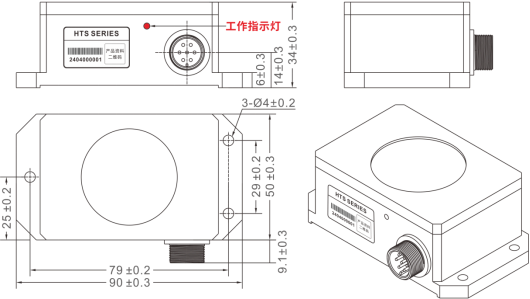
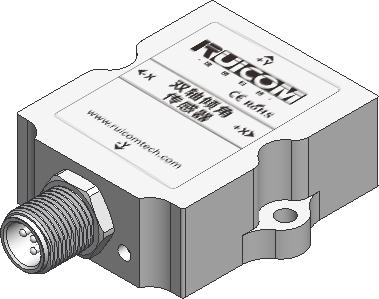
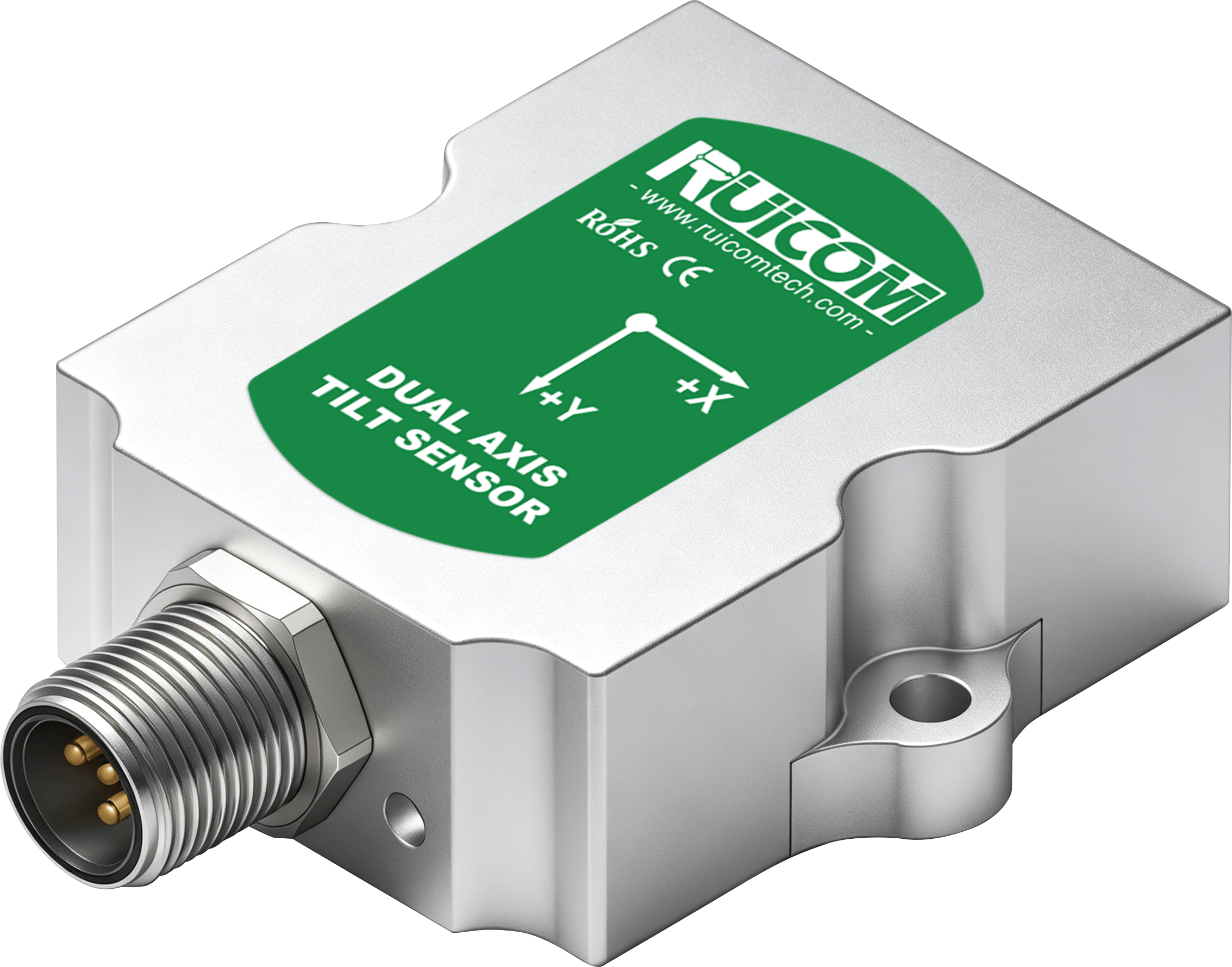
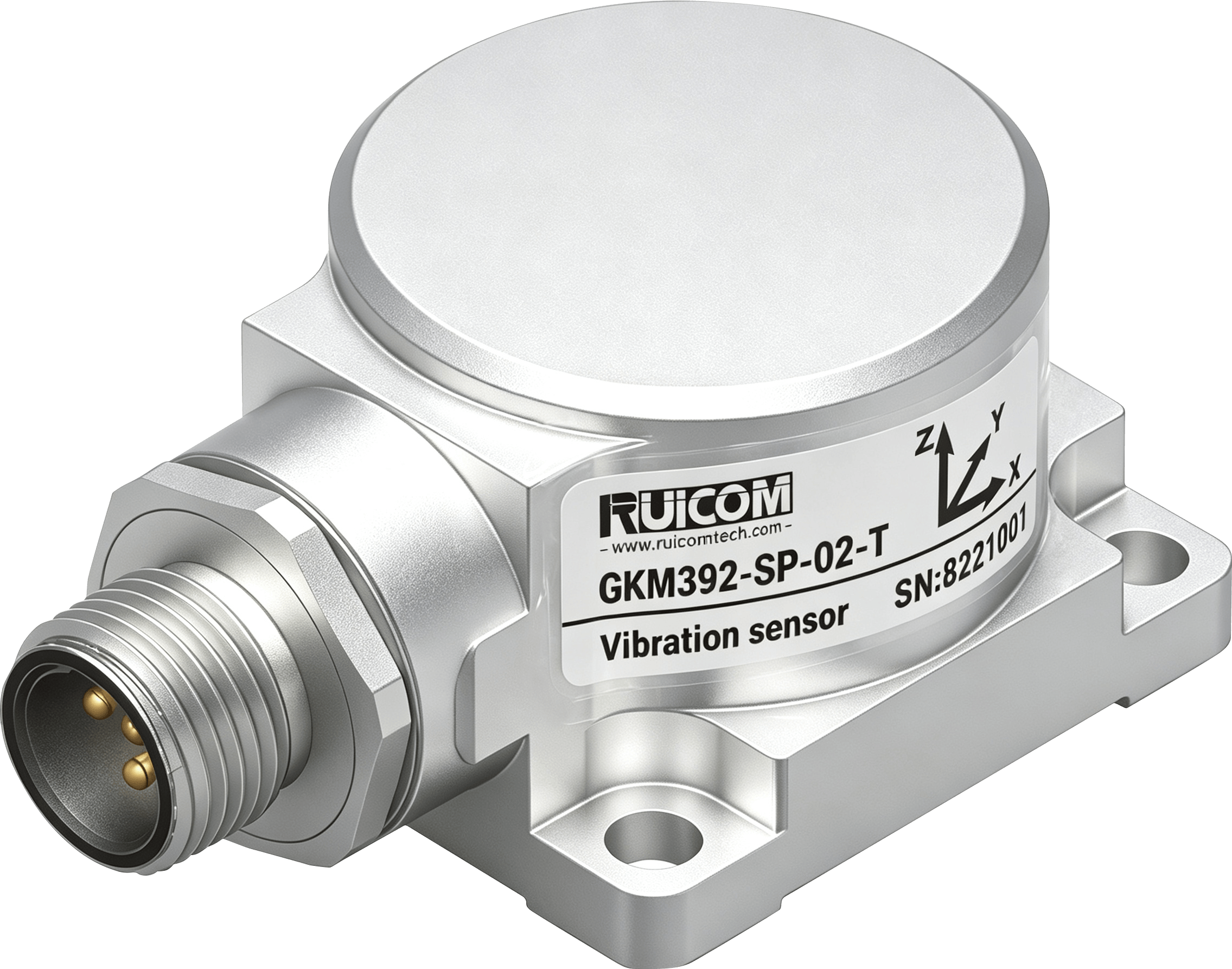
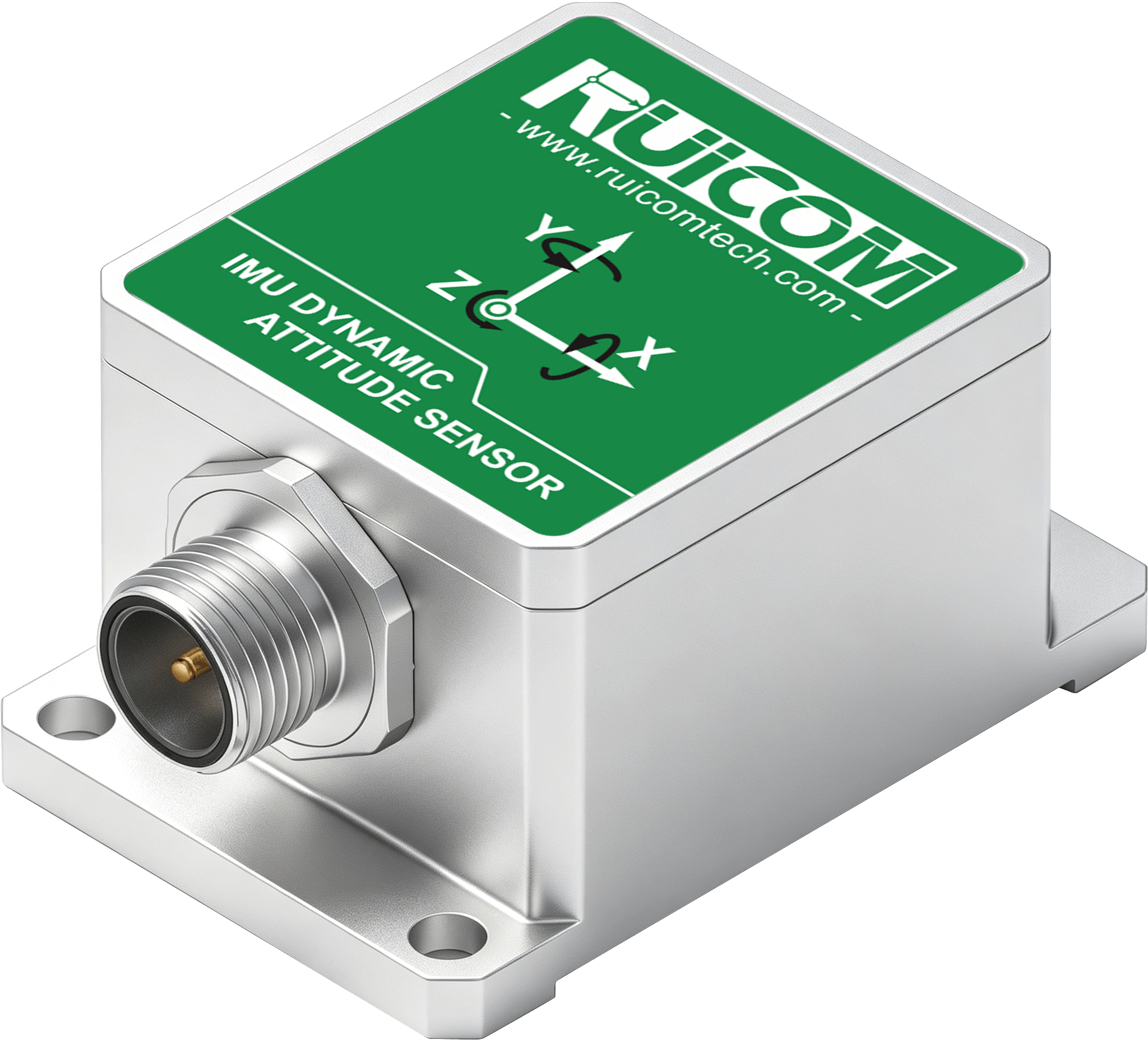
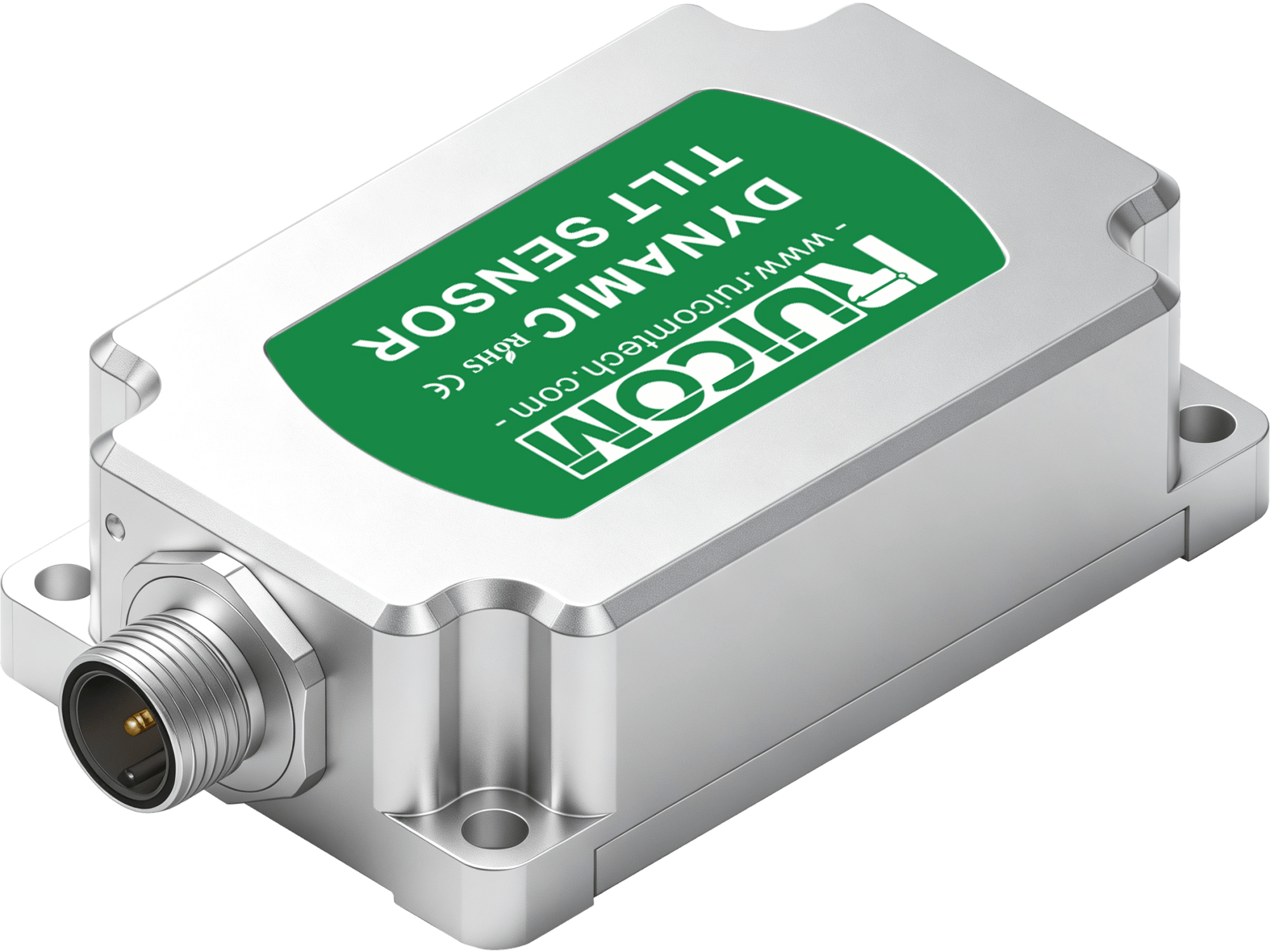
Measuring range selectable from ±1° to ±35°
 Small measuring range accuracy 0.001°
 Resolution 0.001°
 High vibration resistance >2000g
Wide voltage input DC 9~36V
CAN2.0A signal output
High vibration resistance >2000g
Wide voltage input DC 9~36V
CAN2.0A signal output
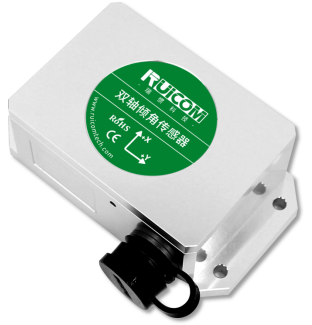
|
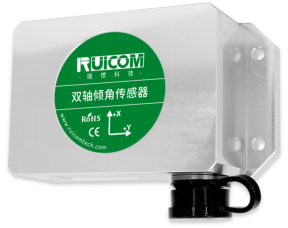
HTS6 |
Condition |
Parameter |
|
|
Measurement Range |
|
±10° |
±35° |
|
Measurement Axis |
|
Single-axis / Dual-axis |
Single-axis / Dual-axis |
|
Resolution1) |
|
0.001° |
0.001° |
|
Measurement Accuracy2) |
@25℃ |
0.005°(RMS) |
0.01°(RMS) |
|
Long-Term Stability |
|
0.01° |
0.02° |
|
Zero-Point Temperature Coefficient3) |
-40~85℃ |
±0.002°/℃ |
±0.002°/℃ |
|
Sensitivity Temperature Coefficient4) |
-40~85℃ |
≤50ppm/℃ |
≤50ppm/℃ |
|
Power-On Startup Time |
|
0.5s |
0.5s |
|
Response Frequency |
|
20Hz |
20Hz |
|
Output Rate |
5Hz/15Hz/35Hz/50HzConfigurable |
||
|
Output Signal |
CAN2.0A |
||
|
Electromagnetic Compatibility |
According to EN61000 and GBT17626 |
||
|
Mean Time Between Failures (MTBF) |
≥99999 hours/time |
||
|
Insulation Resistance |
≥100megaohms |
||
|
Shock Resistance |
100g@11ms, triaxial (half-sine wave) |
||
|
Vibration Resistance |
10grms、10~1000Hz |
||
|
Protection Class |
IP67 |
||
|
Wiring |
Standard configuration includes a 2-meter 7P*6.8mm aviation connector/abrasion-resistant/wide temperature range/shielded cable, cable weight ≤110g |
||
|
Weight |
≤250g (excluding cable) |
||
|
1) Resolution: The smallest angular change that can be detected within the effective measurement range, reflecting its ability to monitor minute tilt fluctuations. 2) Measurement Accuracy: A comprehensive evaluation of the sensor's performance indicators under standard ambient temperature, including the overall performance of linearity error, repeatability error, hysteresis error, zero-point offset error, and cross-axis sensitivity error. 3) Zero-Point Temperature Coefficient: The ratio of the sensor's output value to temperature when the sensor is in a zero-input state, defined as the ratio of the zero-point offset within the rated operating temperature range to the room temperature reference value. 4) Sensitivity Temperature Coefficient: A stability index of the sensor's full-scale output value with temperature changes, characterizing the drift rate of sensitivity relative to the room temperature reference value within the rated temperature range. |
|||