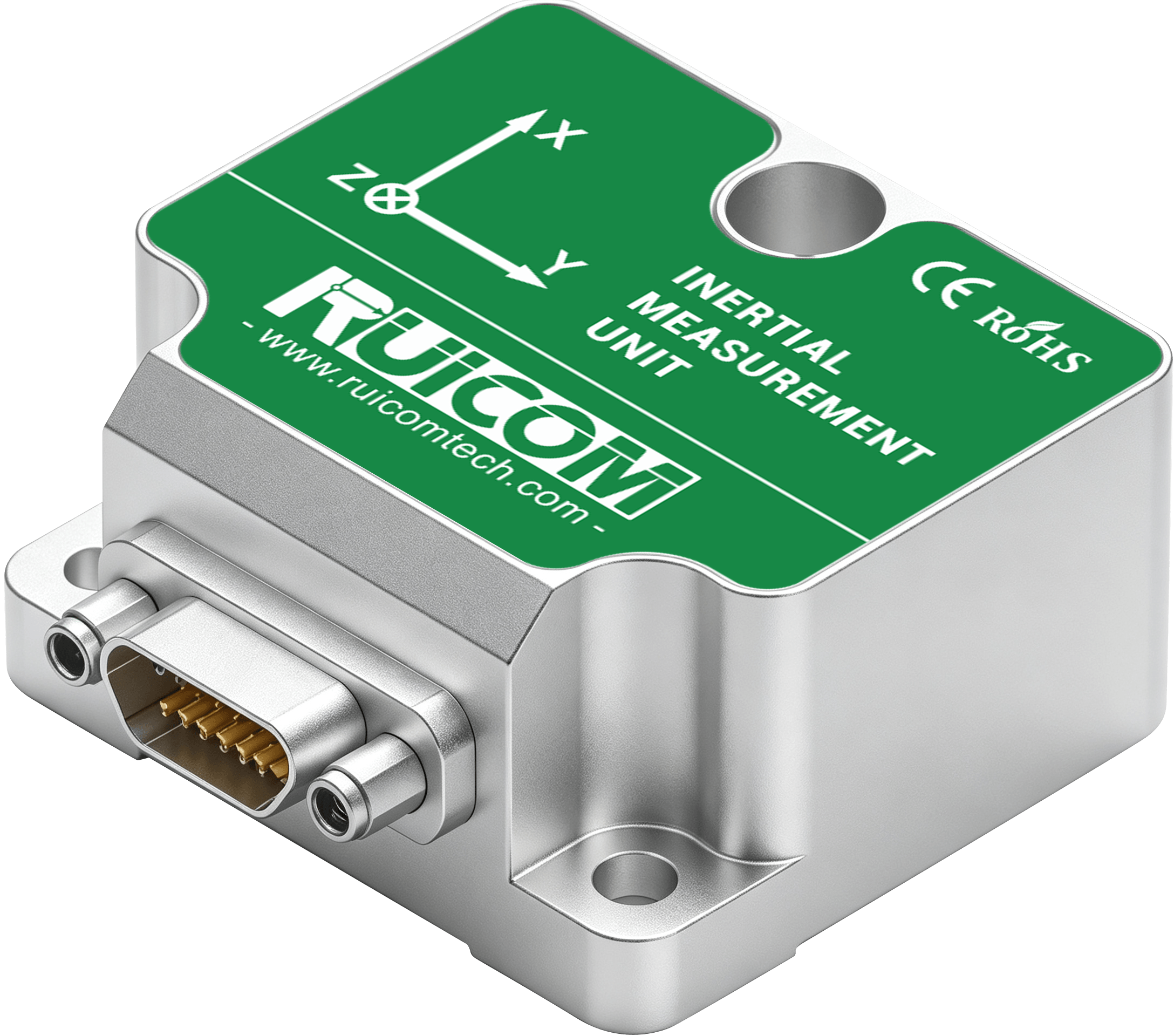
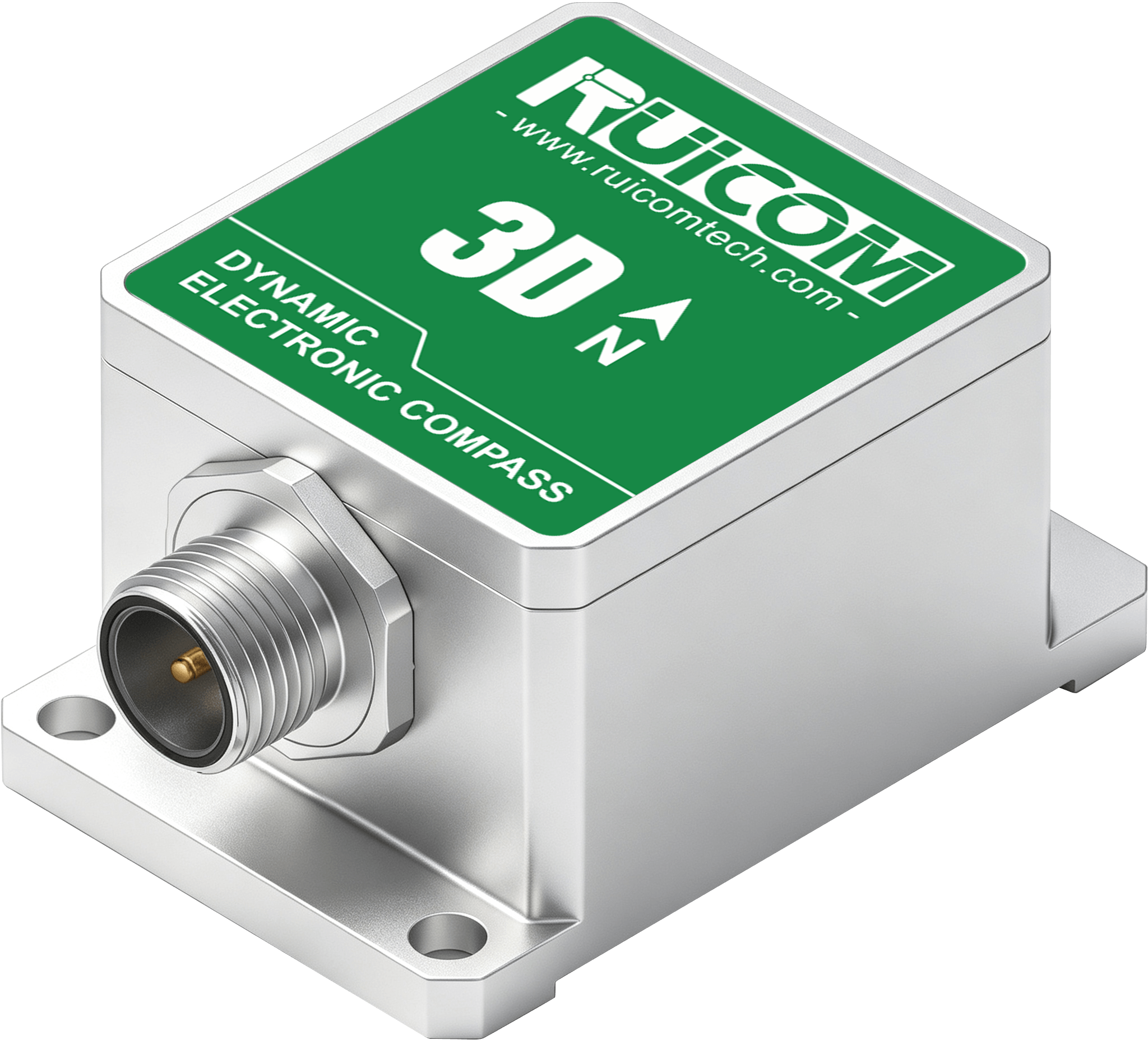
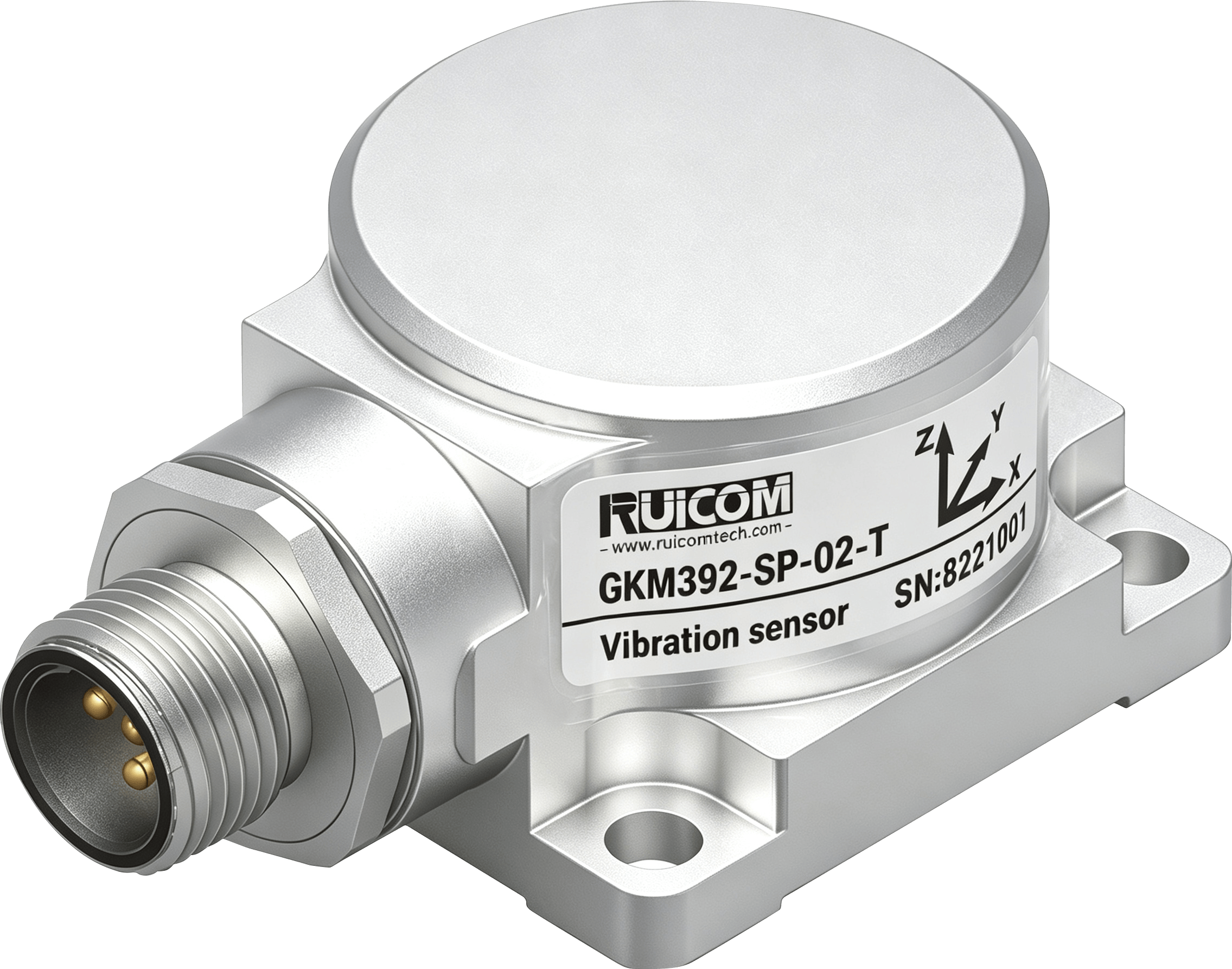
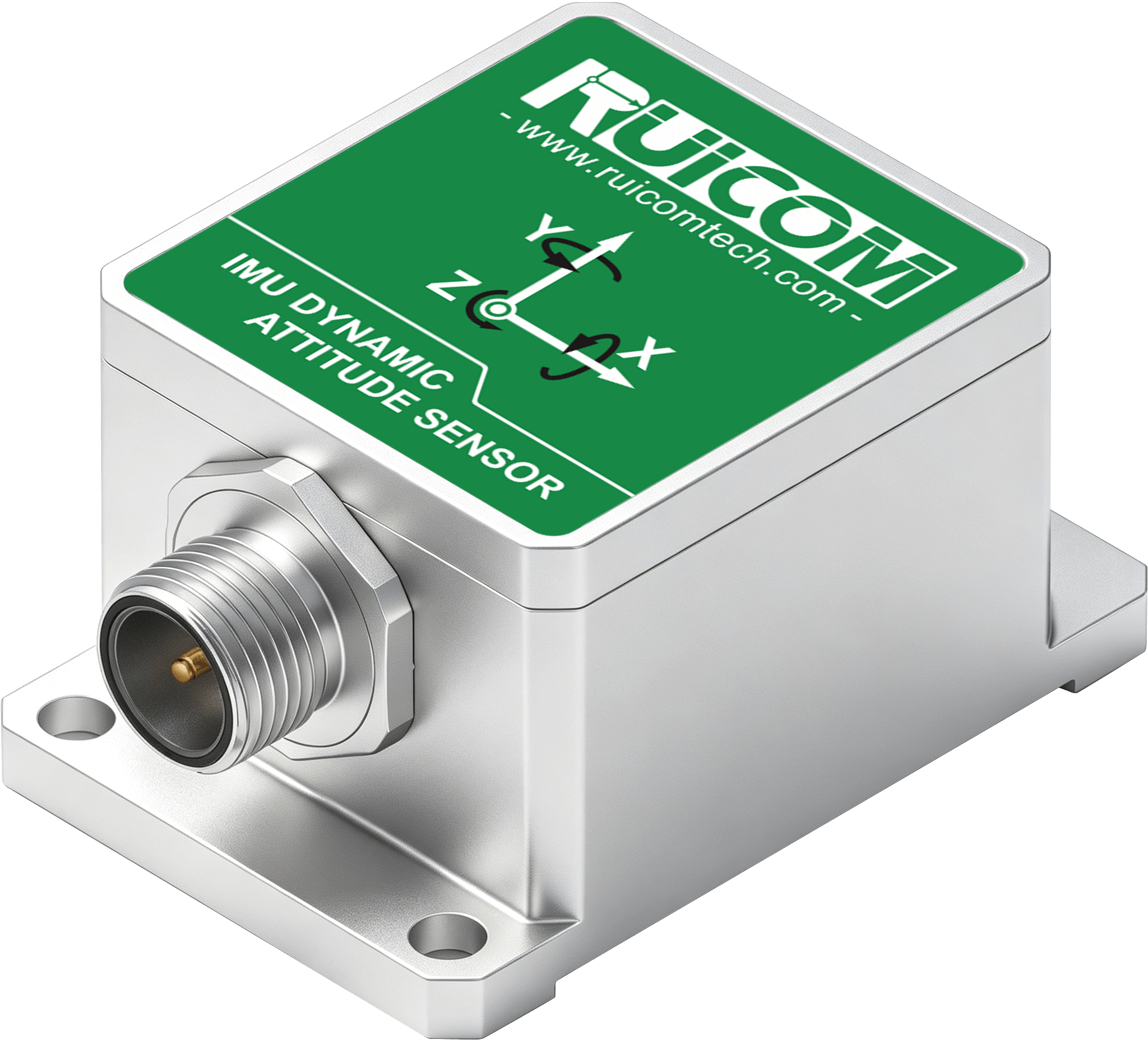
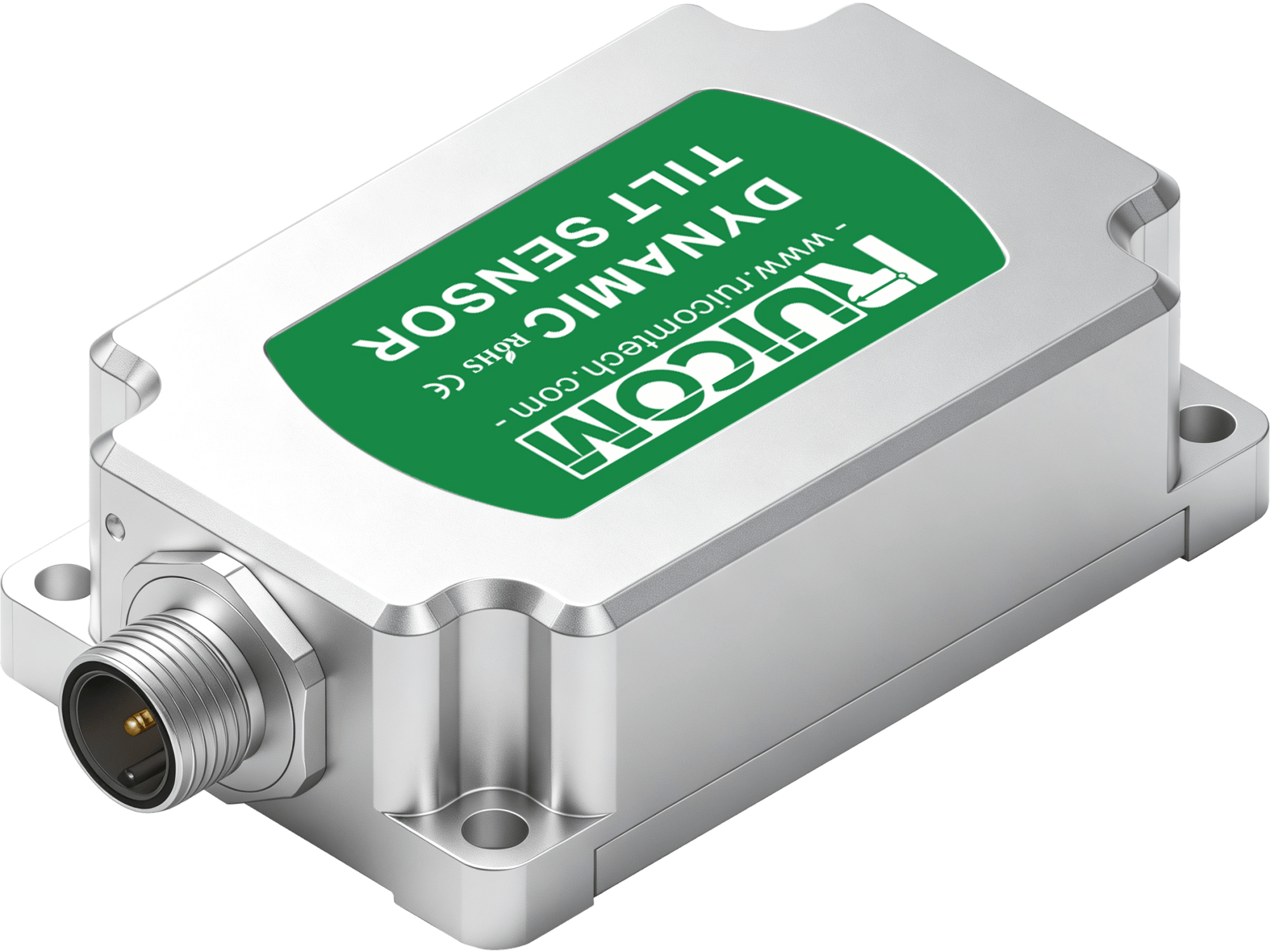
Dynamic accuracy ±0.1°
Static accuracy ±0.05°
RS485/232/TTL optional
Measuring range (R±180°, P±90°
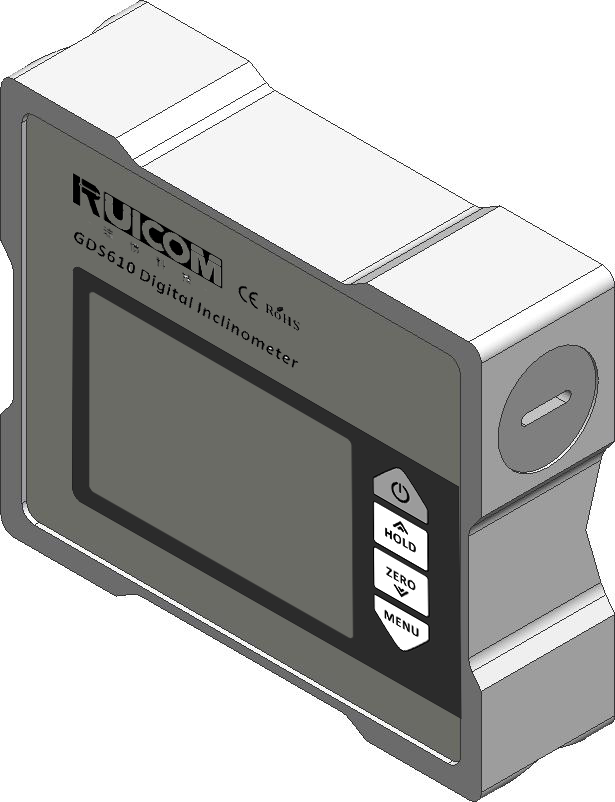
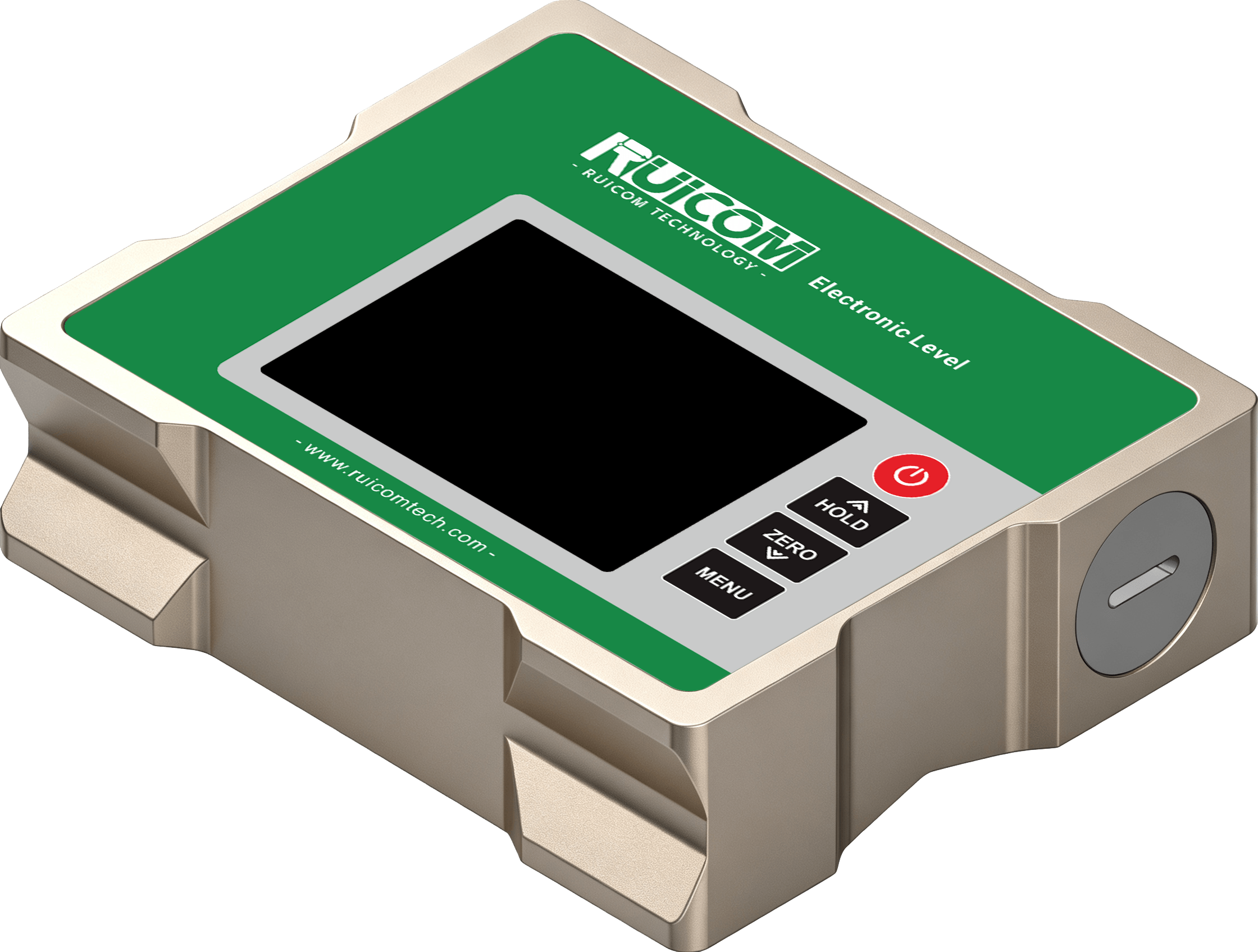
Dynamic accuracy ±0.1°
Static accuracy ±0.05°
RS485/232/TTL optional
Measuring range (R±180°, P±90°
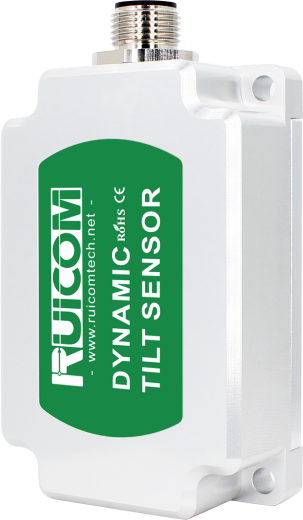
|
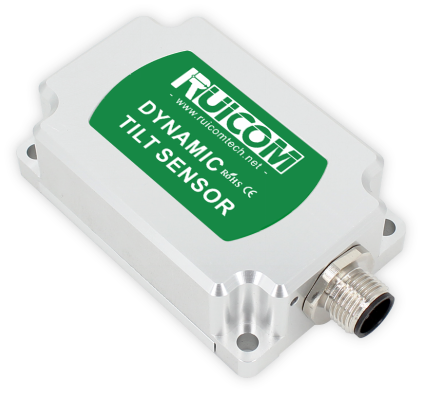
DTS CANOpen |
Unit |
Parameter |
|
|
Measurement Range |
° |
X-tilt ±180°, Y-tilt ±90° |
|
|
Measurement Axis |
axis |
X & Y dual-axis |
|
|
Roll and Pitch Resolution1) |
° |
0.01 |
|
|
Roll and Pitch Static Accuracy @25℃ |
° |
±0.05 |
|
|
Roll and Pitch Dynamic Accuracy (rms) @25℃ |
° |
±0.1 |
|
|
gyroscope |
Gyroscope range |
°/s |
±300 |
|
Zero-bias stability (10s mean) |
°/h |
8.5 |
|
|
Zero-bias instability (allan) |
°/h |
4.5 |
|
|
Angle random walk coefficient (allan) |
°/sqrt(h) |
0.25 |
|
|
acceleration |
Acceleration range |
g |
±4 /±16(optional) |
|
Bias stability (10s mean) |
mg |
0.02 |
|
|
Bias instability (allan) |
mg |
0.005 |
|
|
Velocity random walk coefficient (allan) |
m/s/sqrt(h) |
0.005 |
|
|
Zero-point temperature coefficient3)@-40~85℃ |
°/℃ |
±0.01 |
|
|
Sensitivity temperature coefficient4)@-40~85℃ |
ppm/℃ |
≤100 |
|
|
Power-on time |
S |
≤3.5 |
|
|
Response time |
S |
0.01 |
|
|
Communication protocol |
- |
CAN Open |
|
|
Electromagnetic compatibility |
- |
According to EN61000 and GBT17626 |
|
|
Mean time between failures (MTBF) |
hours/time |
≥98000 |
|
|
Insulation resistance |
megaohm |
≥100 |
|
|
Shock resistance |
- |
100g@11ms, triaxial (half-sine wave) |
|
|
Vibration resistance |
- |
10grms、10~1000Hz |
|
|
Protection class |
- |
IP67/ IP68(optional) |
|
|
Weight |
g |
Single connector ≤165g (excluding cable) / Dual connector ≤180g (excluding cable) |
|
|
1) Resolution: The smallest angular change that the sensor can detect within its effective range, reflecting its ability to monitor minute tilt fluctuations. 2) Accuracy: Calculated by performing multiple repeated measurements (sample size ≥ 16) at a fixed angle under standard ambient temperature (25±5℃), representing the root mean square (RMS) error between the measured and true values, characterizing the sensor's overall measurement deviation.
3) Zero-point temperature coefficient: The ratio of the sensor's output value to temperature change under zero-input conditions, defined as the ratio of the zero-point offset within the rated operating temperature range to the room temperature reference value. 4) Sensitivity temperature coefficient: The stability index of the sensor's full-scale output value with temperature changes, characterizing the drift rate of sensitivity relative to the room temperature reference value within the rated temperature range. |
|||