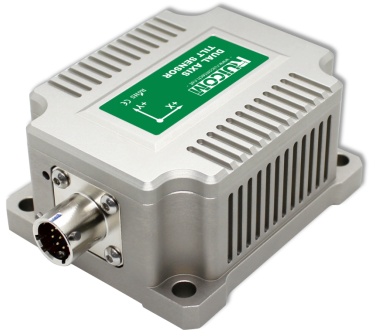
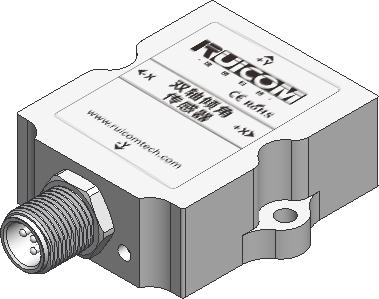
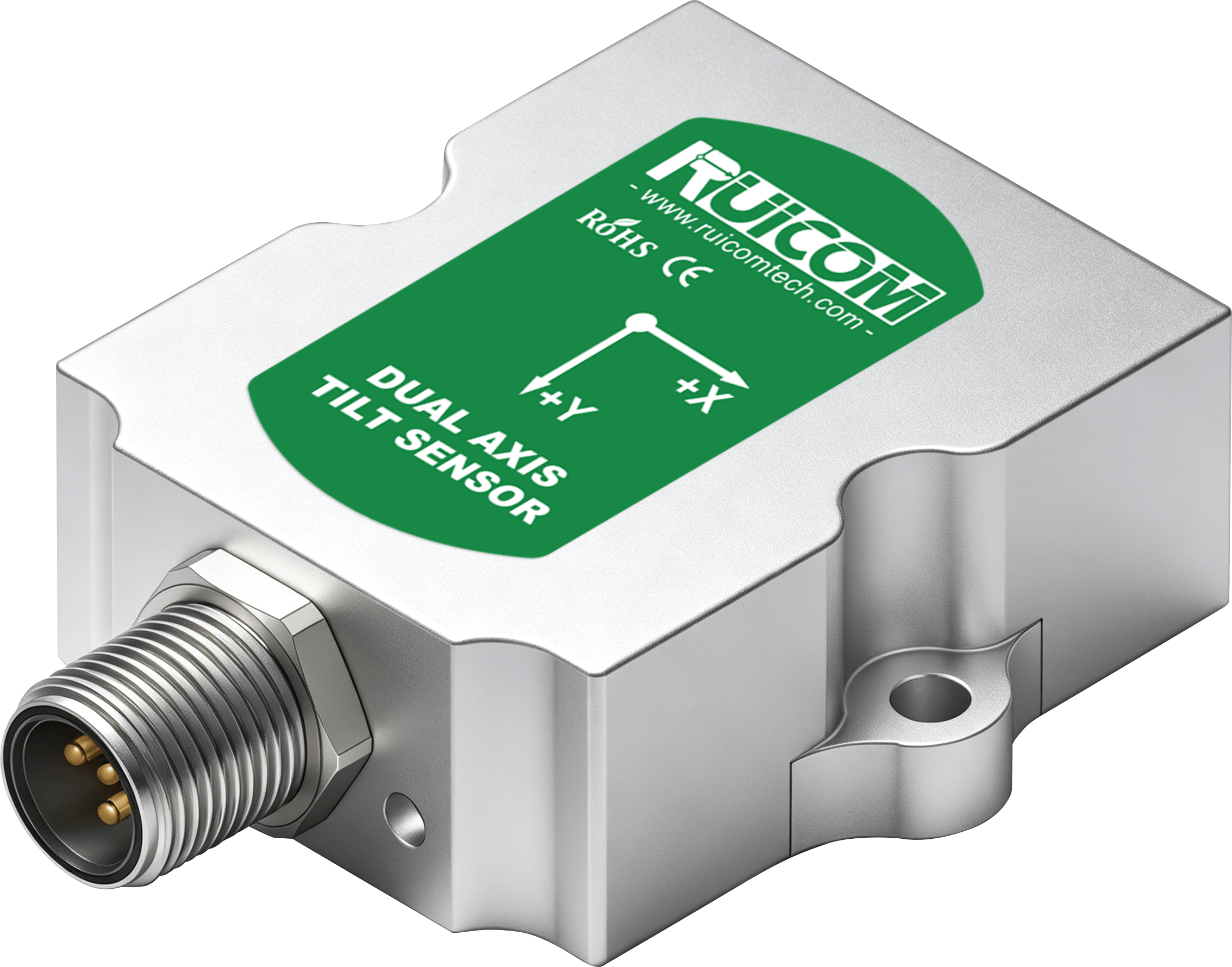
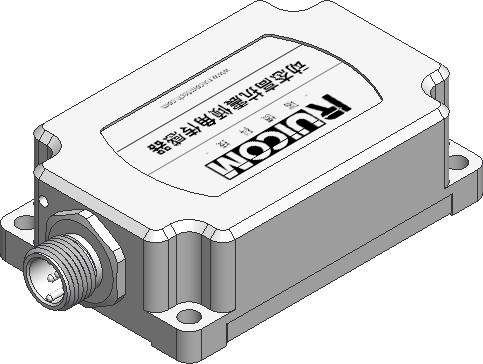
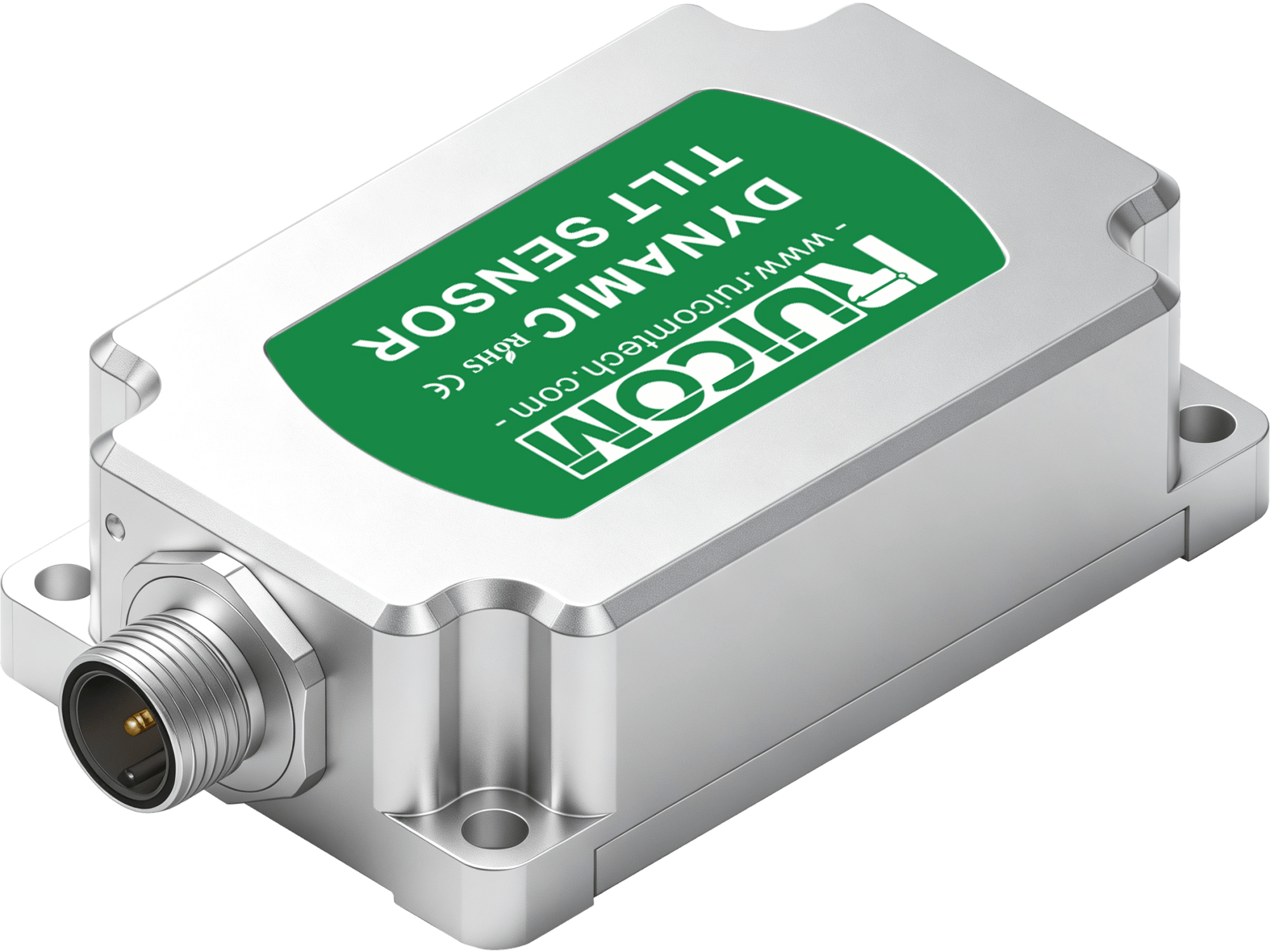
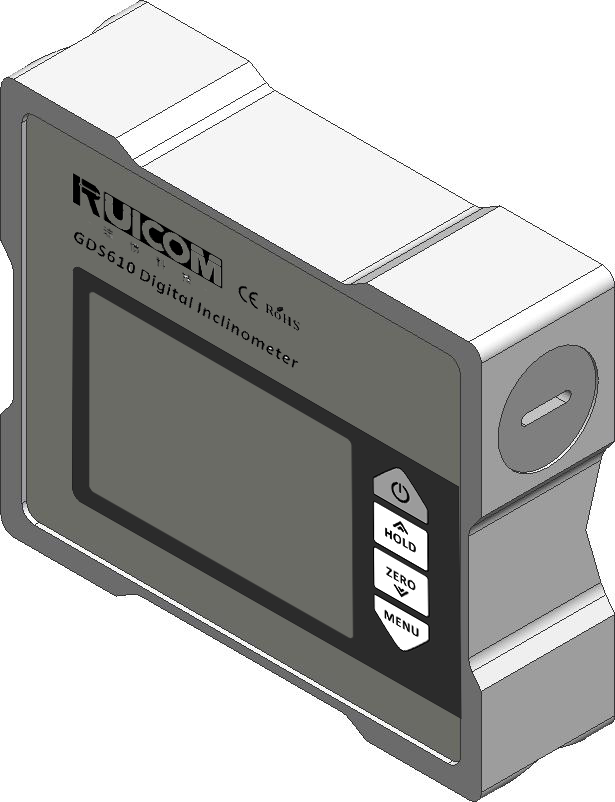
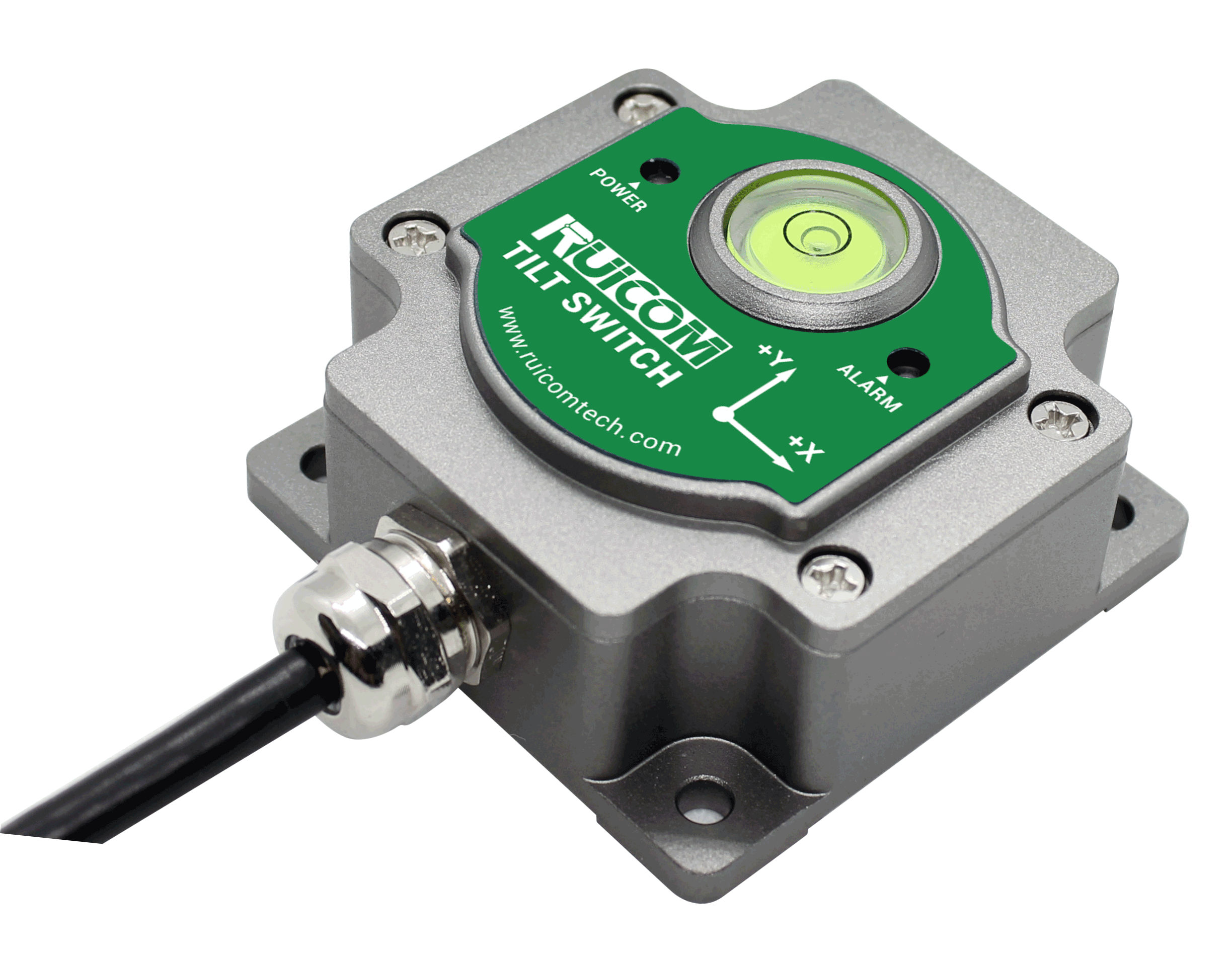
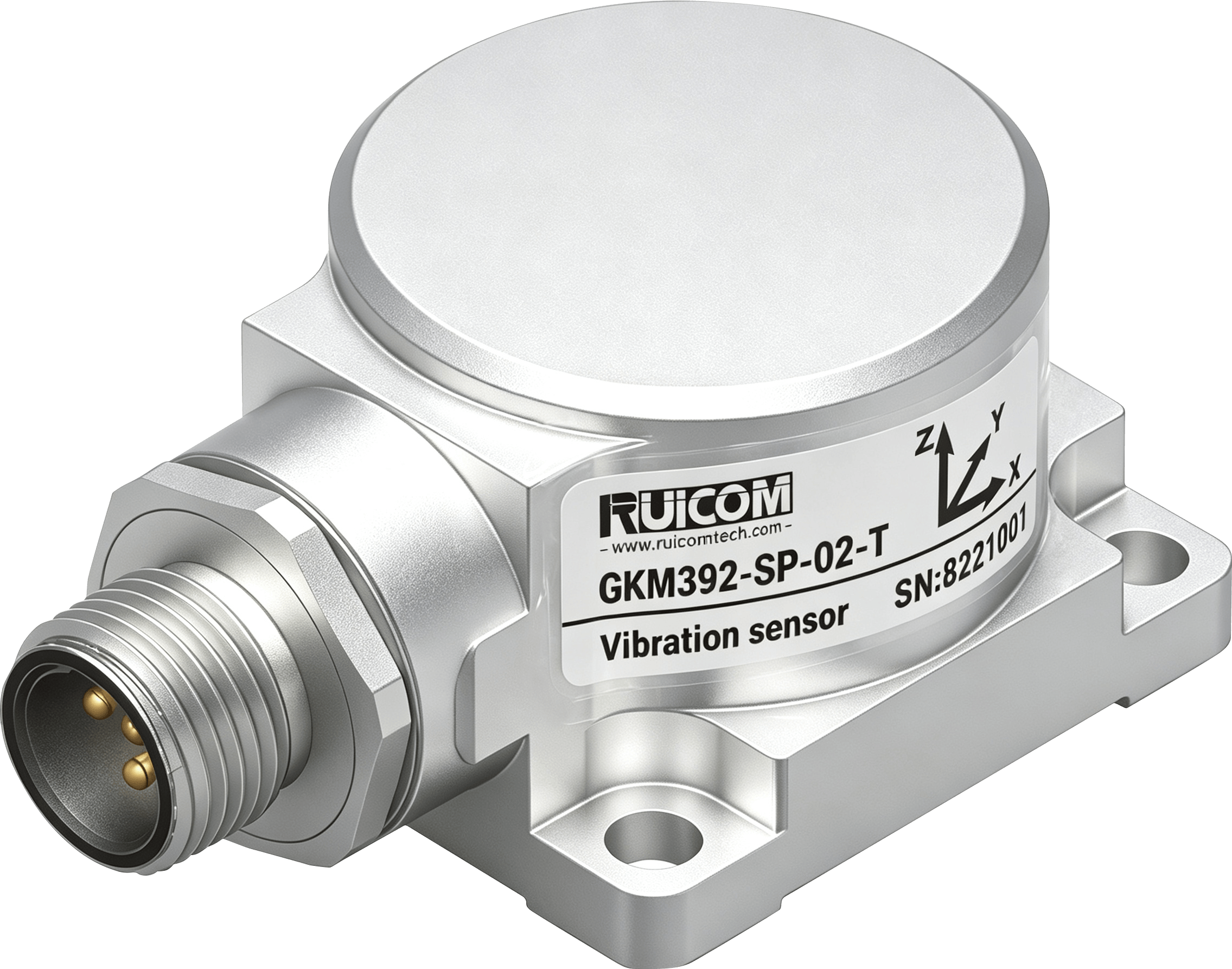
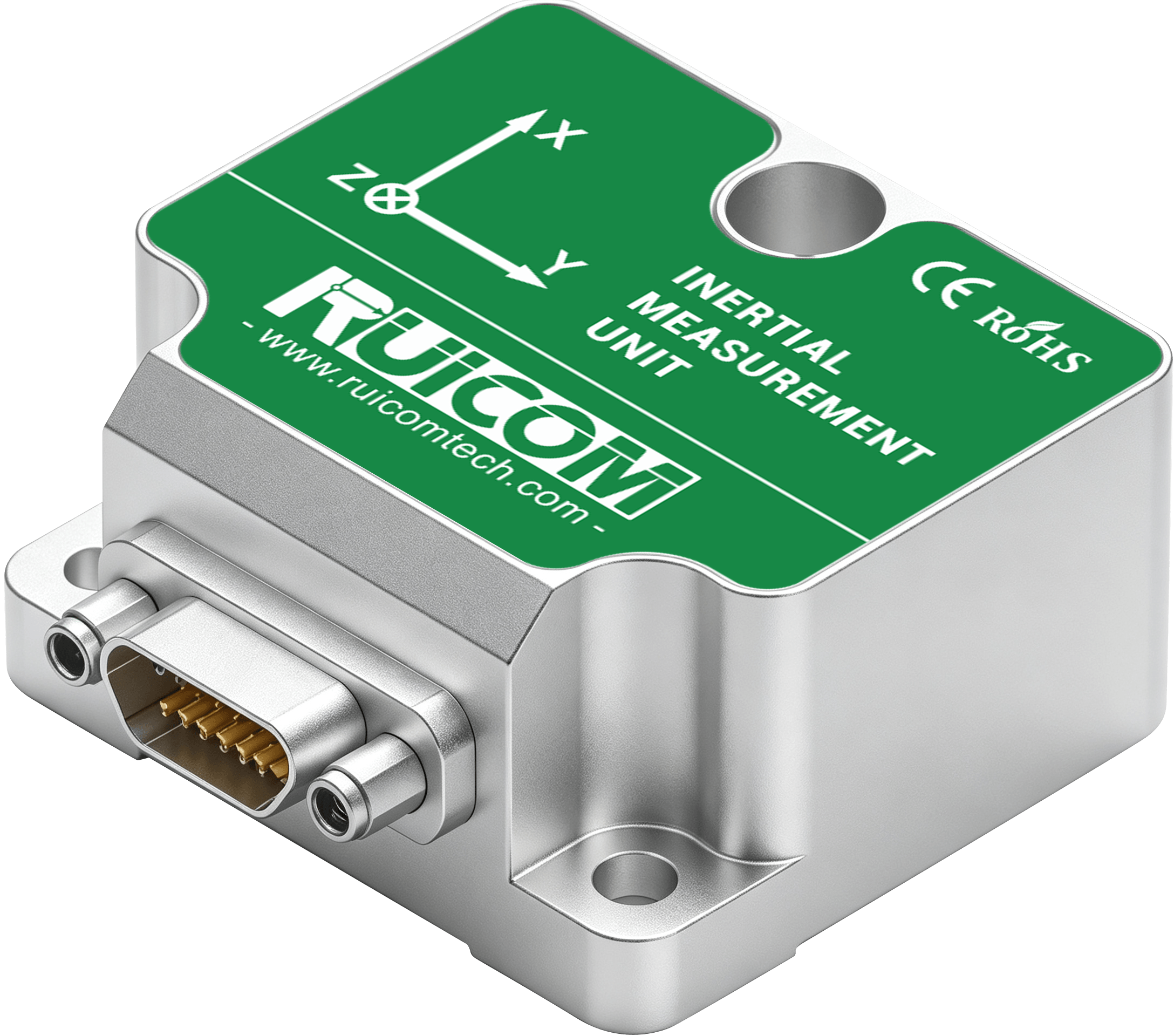
Dynamic High-Shock-Resistant Tilt Sensor
WDS826FL
Special dual axis tilt angle sensor
  • Dual axis inclination measurement
  • Range ±10°
  • Horizontal Installation
  • Resolution 0.0005°
  • Good low-frequency characteristics
Product Introduction


WDS826FL is a dynamic tilt measurement product designed specifically for monitoring the shaking of wind turbine towers. It has excellent low-frequency response characteristics and can effectively capture slowly changing tilt signals, meeting the precise measurement needs in low-frequency dynamic scenarios. Before leaving the factory, the products undergo full temperature range calibration compensation and long-term stability testing to ensure reliable performance indicators are maintained under different working conditions and long-term use cycles. This product integrates two output protocols, including the industrial standard MODBUS protocol, and comes with dedicated analysis software that can display, record, and analyze measurement data in real-time. The output interface supports RS485, RS422, RS232 optional. Adopting non-contact installation method, it has strong system integration convenience; Users only need to fix the sensor on the surface of the object being measured with screws, and the system can automatically calculate the horizontal angle, making it easy to use. The product has good resistance to external electromagnetic interference and vibration impact, and is suitable for scenarios such as wind turbine swing monitoring.


Performance parameters

DTS CANOpen

Unit

Parameter

Measurement Range

°

X-tilt ±180°, Y-tilt ±90°

Measurement Axis

axis

X & Y dual-axis

Roll and Pitch Resolution1)

°

0.01

Roll and Pitch Static Accuracy @25℃

°

±0.05

Roll and Pitch Dynamic Accuracy (rms) @25℃

°

±0.1

gyroscope

Gyroscope range

°/s

±300

Zero-bias stability (10s mean)

°/h

8.5

Zero-bias instability (allan)

°/h

4.5

Angle random walk coefficient (allan)

°/sqrt(h)

0.25

acceleration

Acceleration range

g

±4 /±16(optional)

Bias stability (10s mean)

mg

0.02

Bias instability (allan)

mg

0.005

Velocity random walk coefficient (allan)

m/s/sqrt(h)

0.005

Zero-point temperature coefficient3)@-40~85℃

°/℃

±0.01

Sensitivity temperature coefficient4)@-40~85℃

ppm/℃

≤100

Power-on time

S

≤3.5

Response time

S

0.01

Communication protocol

-

CAN Open

Electromagnetic compatibility

-

According to EN61000 and GBT17626

Mean time between failures (MTBF)

hours/time

≥98000

Insulation resistance

megaohm

≥100

Shock resistance

-

100g@11ms, triaxial (half-sine wave)

Vibration resistance

-

10grms、10~1000Hz

Protection class

-

IP67/ IP68(optional)

Weight

g

Single connector ≤165g (excluding cable) / Dual connector ≤180g (excluding cable)

1) Resolution: The smallest angular change that the sensor can detect within its effective range, reflecting its ability to monitor minute tilt fluctuations.

2) Accuracy: Calculated by performing multiple repeated measurements (sample size ≥ 16) at a fixed angle under standard ambient temperature (25±5℃), representing the root mean square (RMS) error between the measured and true values, characterizing the sensor's overall measurement deviation.


3) Zero-point temperature coefficient: The ratio of the sensor's output value to temperature change under zero-input conditions, defined as the ratio of the zero-point offset within the rated operating temperature range to the room temperature reference value.

4) Sensitivity temperature coefficient: The stability index of the sensor's full-scale output value with temperature changes, characterizing the drift rate of sensitivity relative to the room temperature reference value within the rated temperature range.

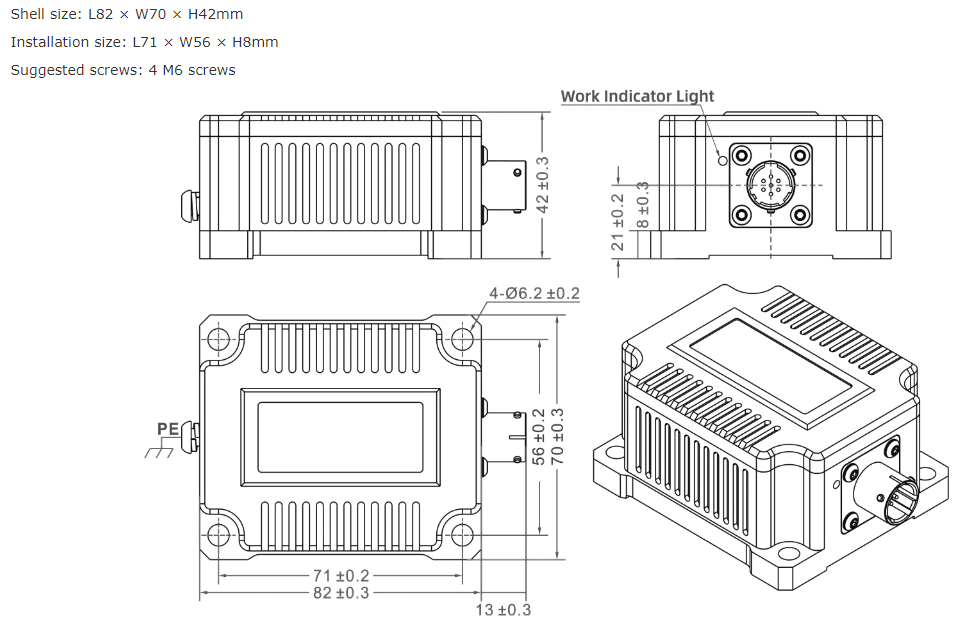
Product Size