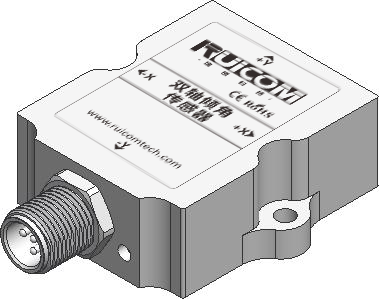
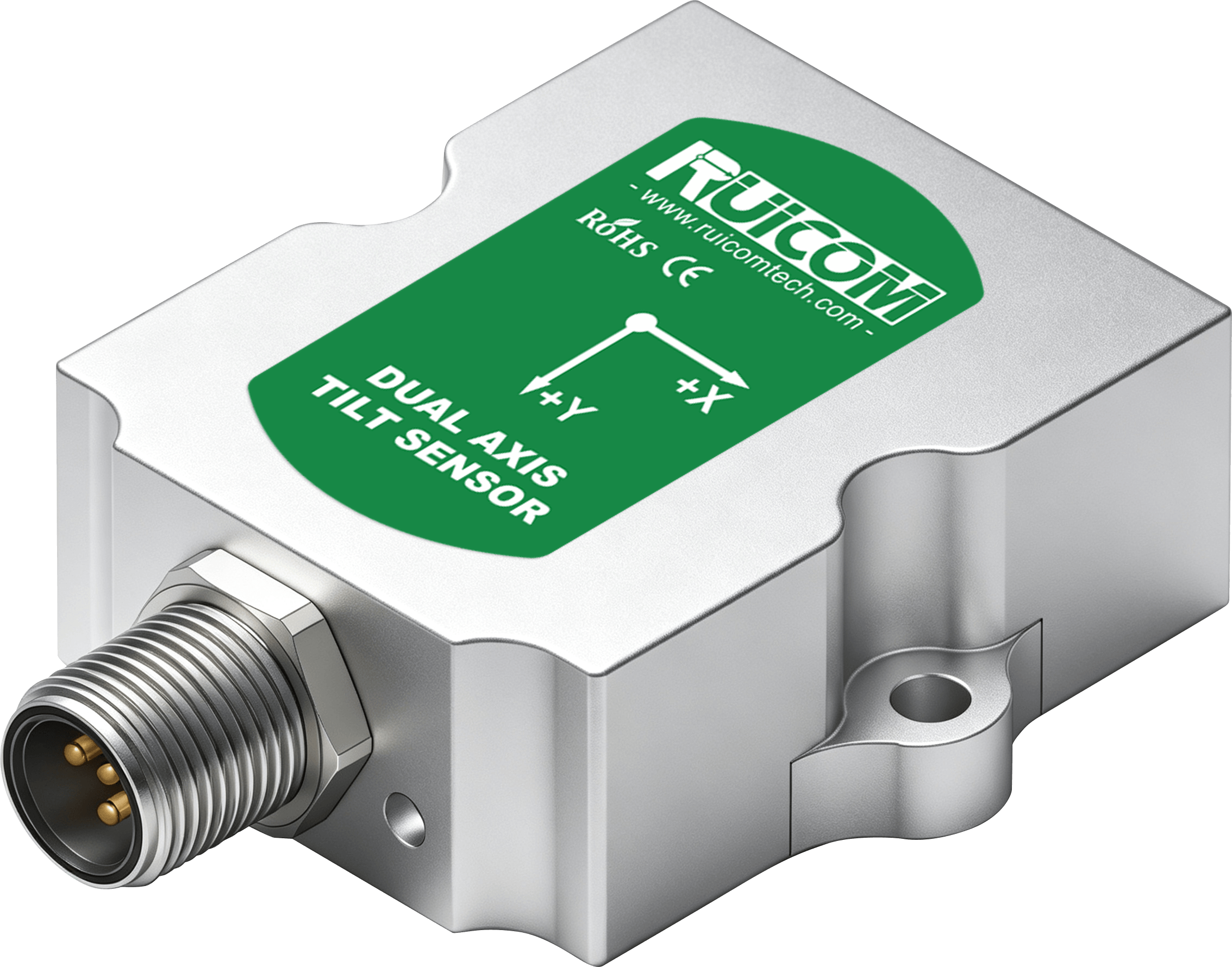
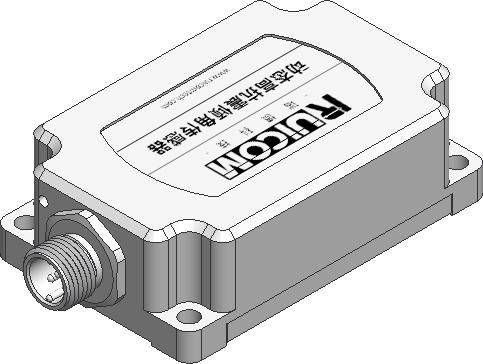
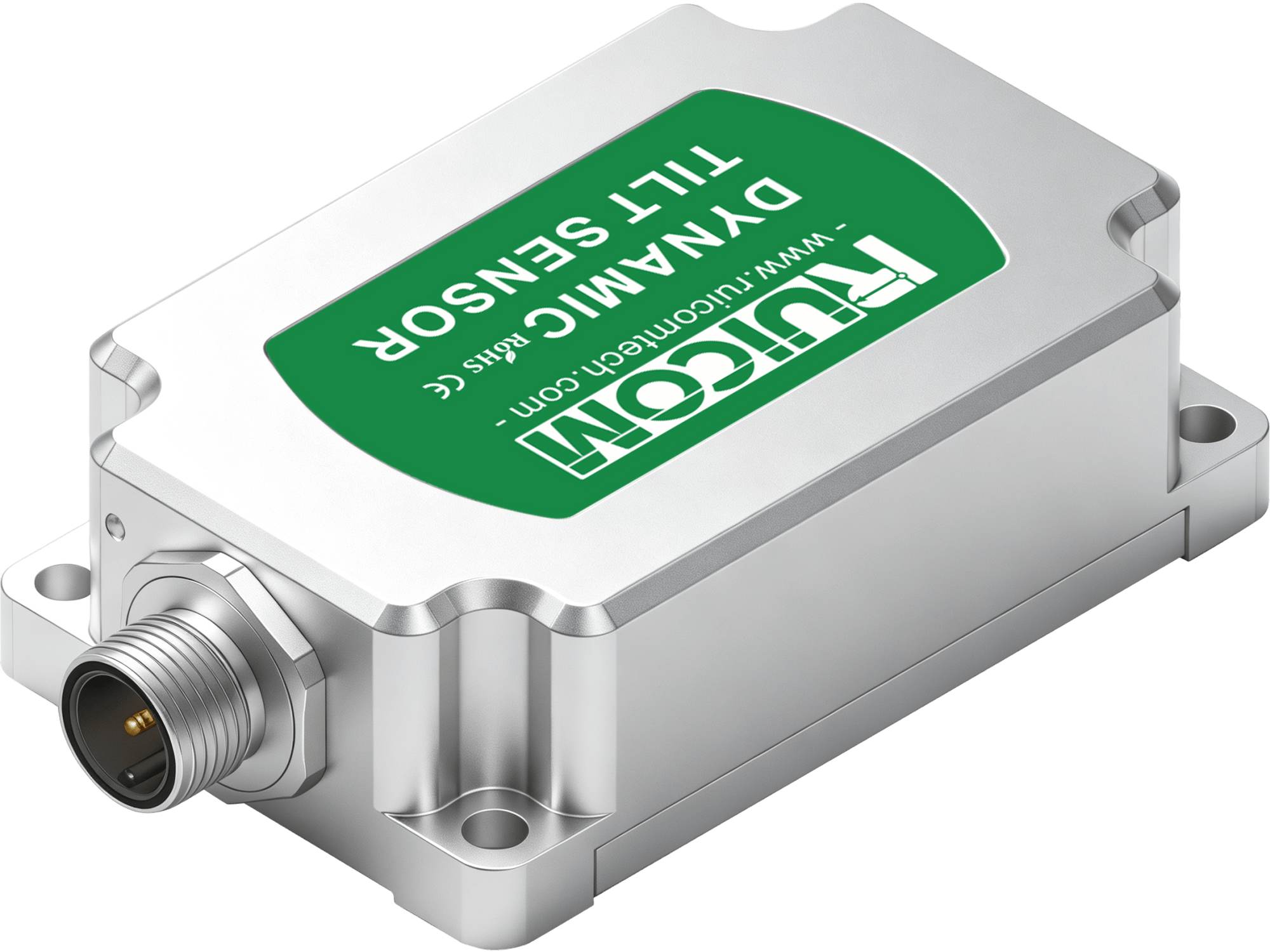
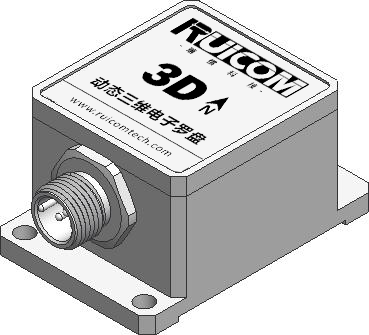
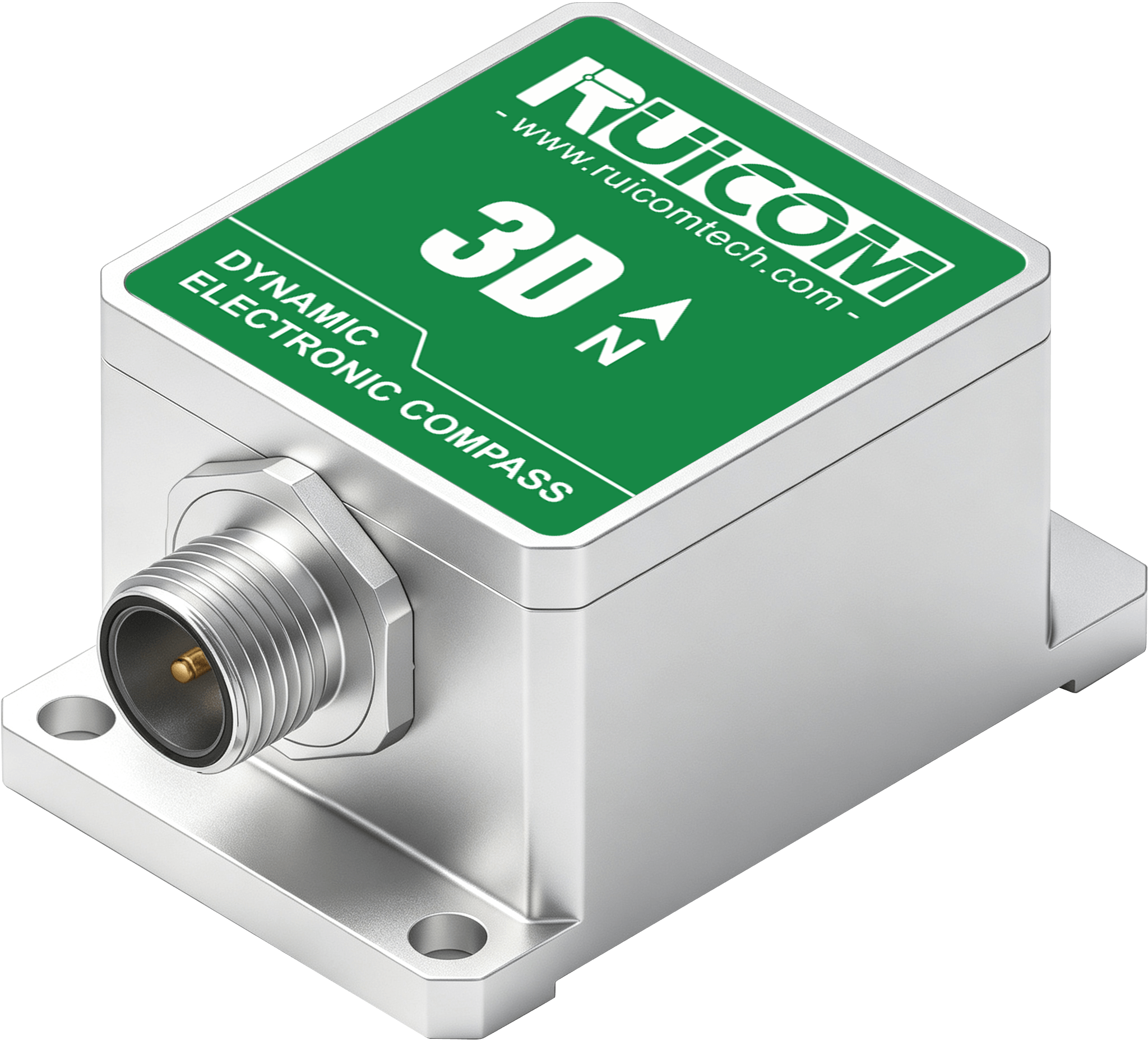
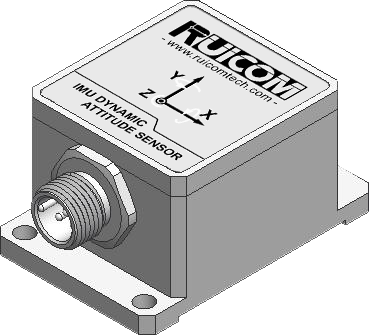
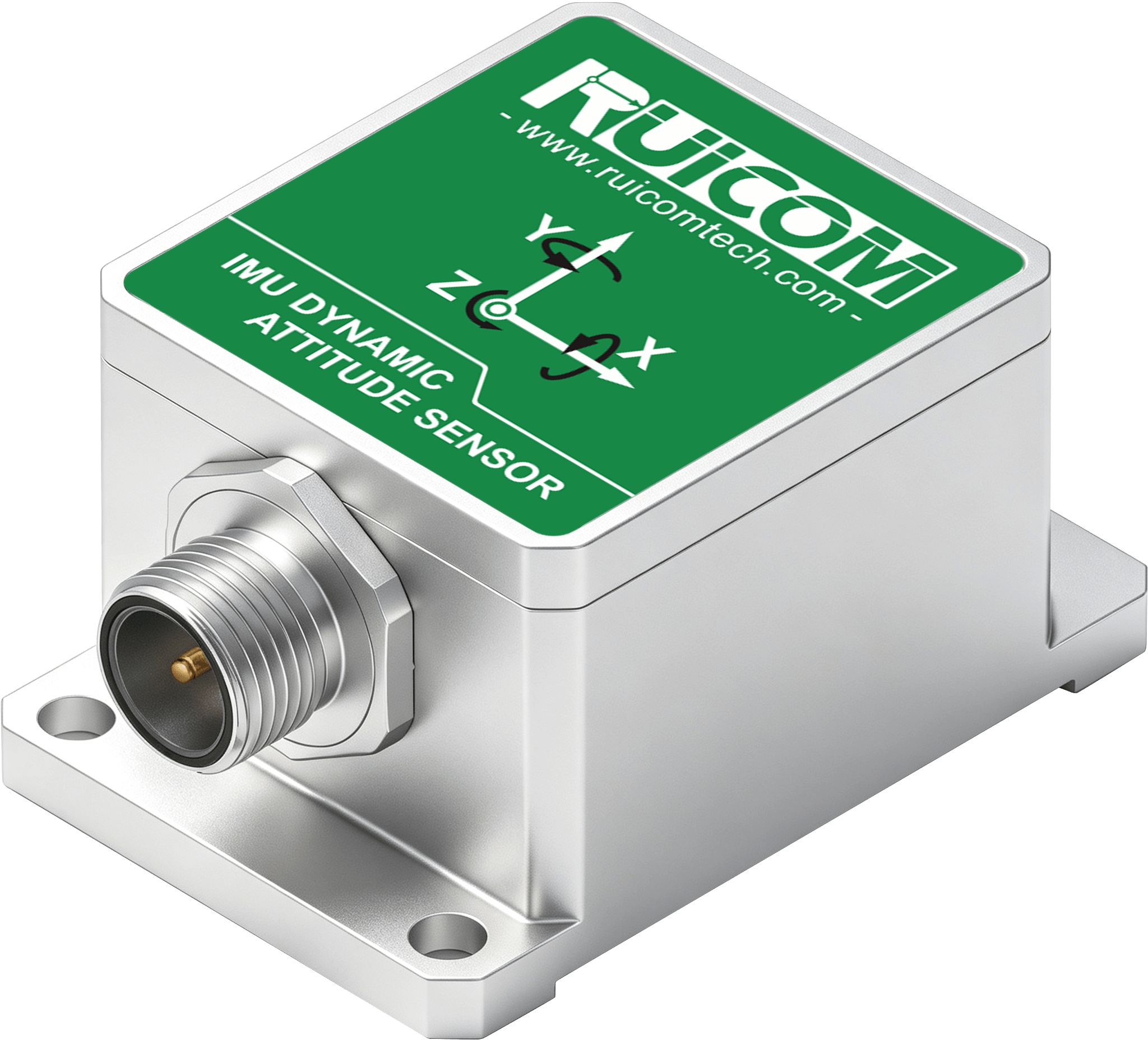
Range ±10°
Accuracy: 0.001°
Resolution: 0.0005°
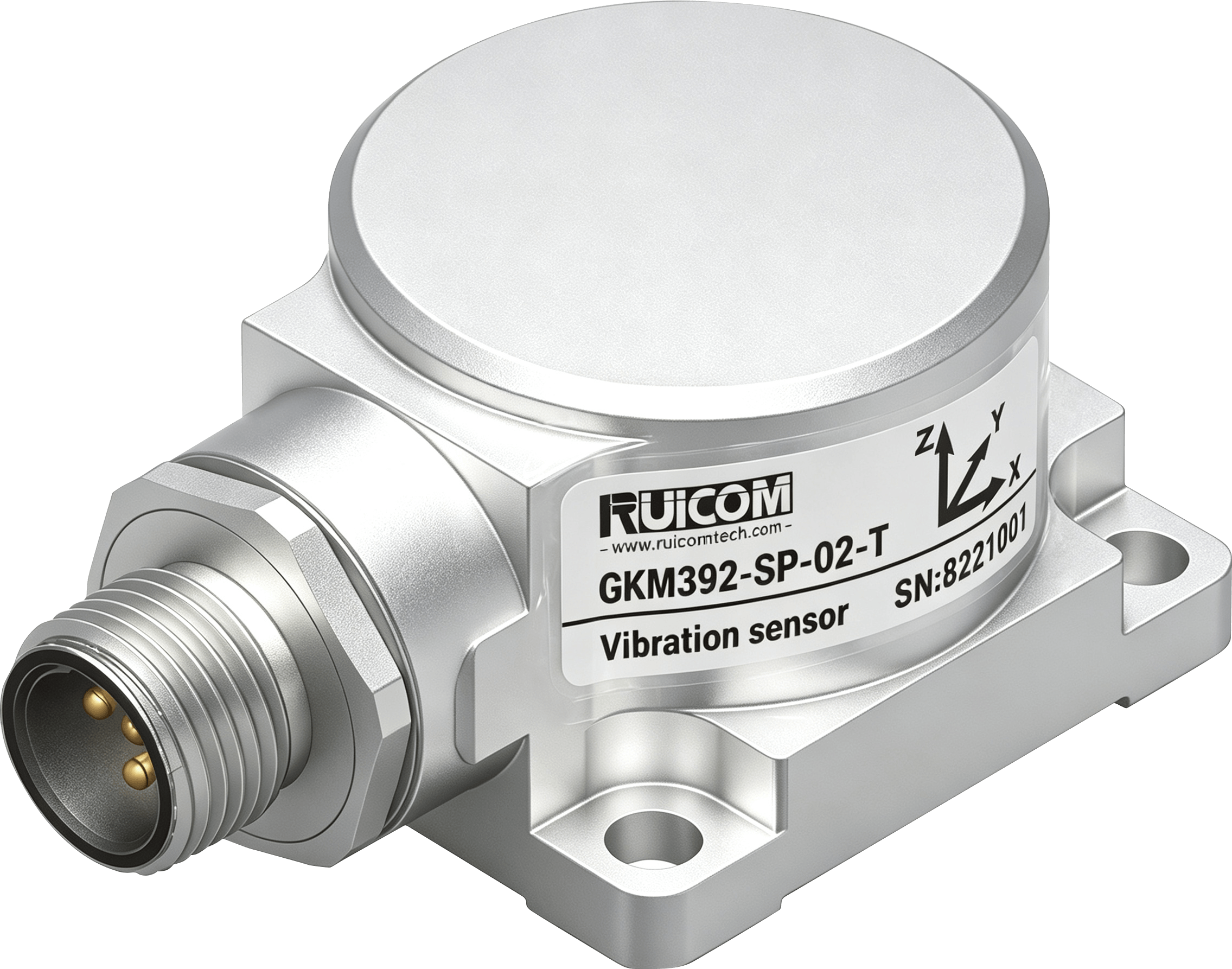
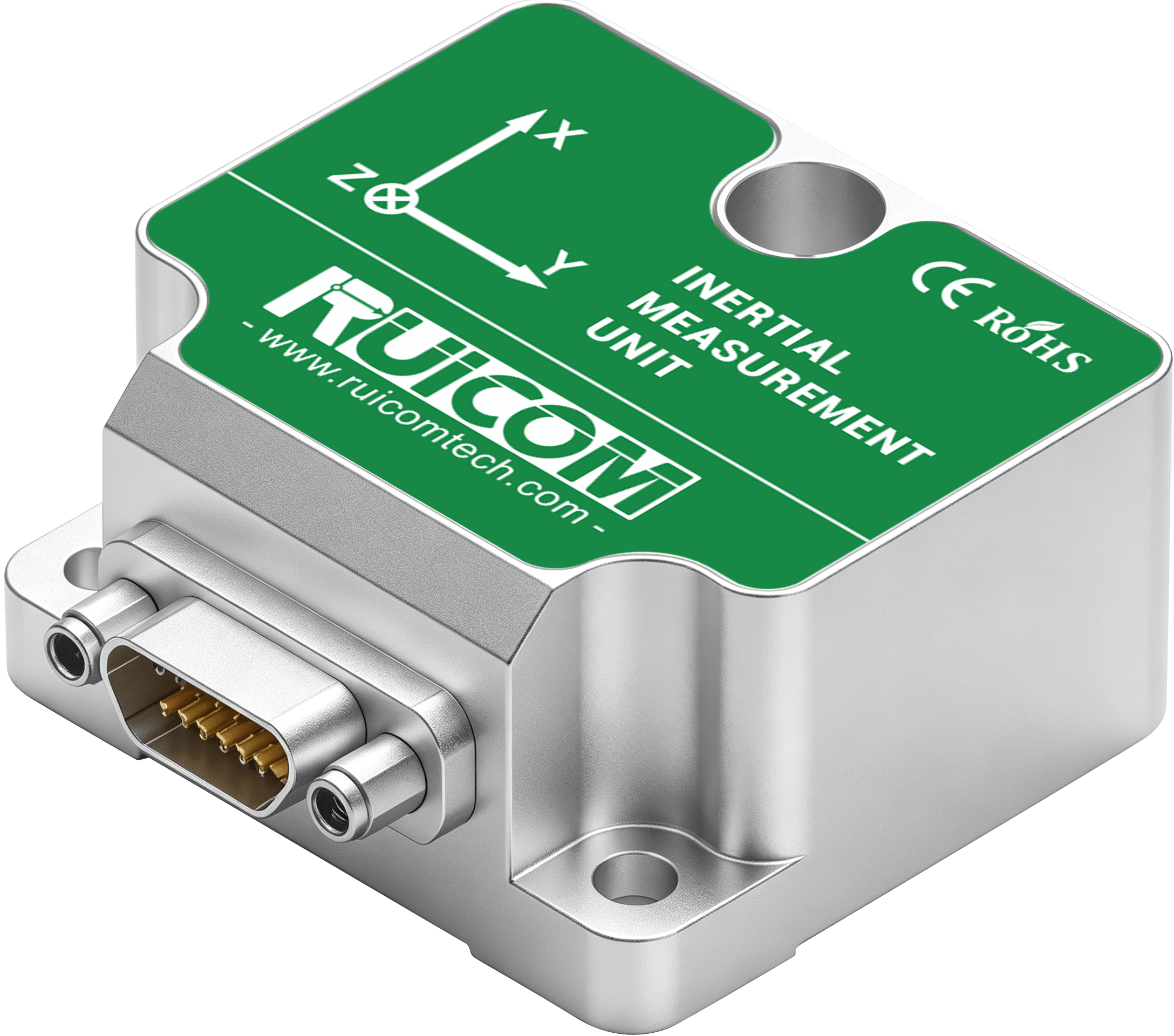
Aviation plug connector
Horizontal/vertical optional
Dual axis inclination measurement

|
VTS6D-G |
Parameters |
|
Measure range |
±10° |
|
Measure axis |
XY |
|
Resolution1) |
0.0005° |
|
Measure accuracy2) |
0.001° |
|
Zero temp coefficient3) |
0.0003°/℃ |
|
Sensitivity temp.coefficient4) |
≤50ppm/℃ |
|
Power on time |
<0.5S |
|
Response frequency |
20Hz |
|
Output rate |
5Hz/10Hz/25Hz/35Hz/50Hz/100HzCan be set |
|
Output signal |
RS485/RS232/RS422 Optional |
|
EMC |
According to EN61000 and GBT17626 |
|
Insulation Resistance |
≥100 MΩ |
|
Shockproof |
100g@11ms / 3 Axial Direction (Half Sinusoid) |
|
Anti-vibration |
10grms/10~1000Hz |
|
Protection grade |
IP67 |
|
Cables |
Standard configuration: 2-meter cable/weight ≤ 194g |
|
Weight |
≤425g(Excluding cable) |
|
1) Resolution: refers to the minimum angle change that a sensor can recognize within its effective range, reflecting its ability to monitor small tilt angle fluctuations. 2) Accuracy: At a standard ambient temperature (25 ±5℃), multiple repeated measurements are taken at a fixed angle (sample size ≥ 16), and the root mean square (RMS) error between the measured value and the true value is calculated to characterize the comprehensive measurement deviation of the sensor. 3) Zero point temperature coefficient: The ratio of the output value of a sensor in a zero input state to the temperature change, defined as the ratio of the zero point offset within the rated operating temperature range to the reference value at room temperature. 4) Sensitivity temperature coefficient: a stability index of the full-scale output value of a sensor as a function of temperature, which characterizes the drift rate of sensitivity relative to the reference value at room temperature within the rated temperature range. |
|